Heat is one of the most common environmental stresses that
negatively impact the survival of humans by disturbing homeostasis. Humans
typically react quickly to heat in order to be more comfortable and not be
irritated. Heat can cause a human to become uncomfortable and overheat the
body. Humans can also become dehydrated because of heat and even become sick if
not treated. Depending on the extent, heat can cause major problems for humans.
Short-term
adaptations for humans include losing water from the body and sweating too much
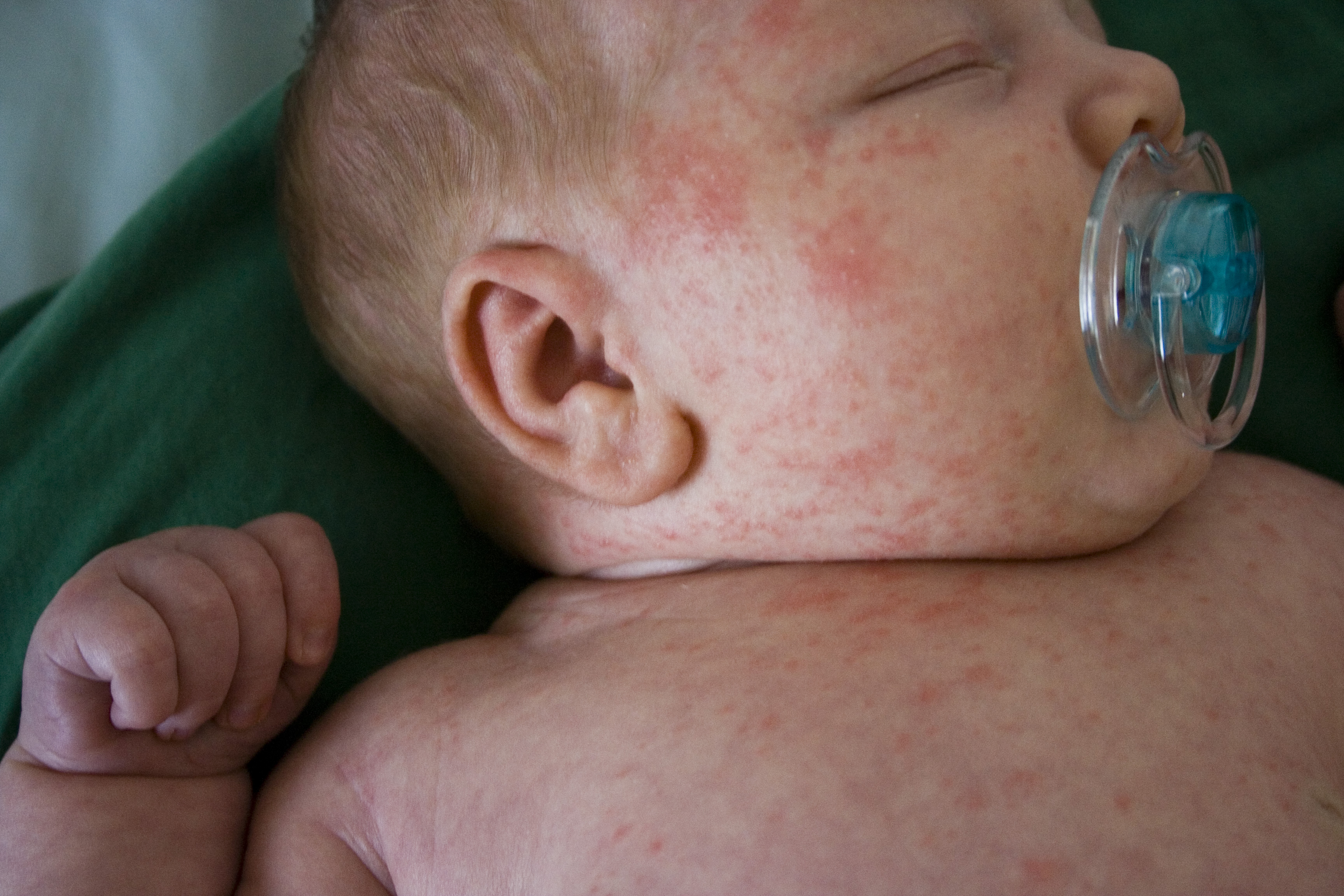
that can cause a heat rash. When the body gets in contact with an excessive
amount of heat, the body then reacts to it by cooling itself, once the body
sweats for too long or the sweat ducts are blocked then a heat rash occurs. The
body of a human must be maintained at a certain temperature and therefor the
body will use the water it has to decrease the heat. Heat rashes are most common when it is hot.
Facultative adaptations include vasodilation, which is the widening of the
blood vessels. When an environment is too hot, vasodilation allows for the
blood vessels to to move where heat can be released so that the body can cool
off. This facultative adaptation allows for a person to maintain itself at a
cooler temperature. Bipedalism is a form of a developmental adaptation. Being
able to move on two legs allows for the body to be at a higher surface, which
helps dissipate heat. A cultural adaptation would be the modern use of an air
conditioner, which many people in modern countries use to cool off. Air
conditioners allows for a person to alter the temperature in a room and make it
so that it is not too hot. This cultural adaptation has been very useful for
areas that reach high temperatures.
A benefit
to studying human variations from this perspective allows for us to be better
prepared. Information from explorations will allow us to survive through tough
summers where temperatures rise. By studying these variations we know how to
protect our bodies in the heat, by turning on the air conditioner, to wearing
lighter colors, and staying hydrated. I
don’t think race could be used to understand the variation because everyone can
be affected by heat, and reacts to heat the same way. Environmental influences affect everyone and
it is important to understand how to prevent environmental stresses.

Okay on your background of heat stress. Keep in mind that in a biological discussion, we are usually working beyond issues of comfort and focusing on physiological health and threats to survival and reproductive success. I would have preferred that you expand on the "major problems" comment.
ReplyDeleteKeep in mind that adaptations are beneficial responses that help the organism. If the body produces a harmful reaction, this isn't an adaptation but an indicator that the body ISN'T adapting quickly enough.
With that in mind, take a look at your short term adaptation. You are describing the problems that arise along with heat stress. Sweating IS a short term adaptive response to heat stress. Sweating too much and developing a heat rash, along with water loss, are problems associated with heat stress, not solutions.
Vasodilation is correct as a facultative adaptation to heat stress.
Good call on the issue of bipedalism, but keep in mind that this is still being debated and not confirmed. A safer example of a developmental adaptation is the longer, leaner body shape as described by Bergmann and Allen's rules.
Good cultural adaptation.
The last two questions addresses the use of the adaptive approach in general, not specifically to heat stress, but your point is well-taken in your discussion of the advantages of the adaptive approach.
I agree that race can't really be used to understand human variation, but let's think through the reasoning a little more deeply. We know that there is a causal relationship between the environment and our adaptations. That is why we can use the environment to understand how our body adapts. Does that causal relationship exist between race and our adaptations? No. Race is a purely subjective social construct. It describes and categorizes (in a subjective way), but it has no explanatory power when it comes to objectively understanding why humans vary as they do.
I see a picture of the heat rash but missing images of the four adaptations themselves?
DeleteHello Alvaro,
ReplyDeleteI enjoyed reading your post. Heat rash is an excellent example of what happens to the body when it gets overheated, especially after continued exposure to heat.
What is important about the heat adaptation is the difference between dry heat and humid heat. Adapting to the climate of the rainforest of South America is much different than adapting to a desert climate in the Middle East. In jungles and other humid areas, sweating does not work as well because the sweat does not evaporate since there is already too much water in the air. Having lived on both sides of the country, I have experienced both types of heat, the humidity of Florida and the dry heat of California especially in the desert. Personally, I have found that I sweat much more easily in the humid heat than in the dry heat. The cultural adaptation of wearing light weight or light colored clothes does not always solve the problem of being overheated in the humid environments. It seems the clothes just get wet with sweat. This humid heat is experienced by unsuspecting tourists who visit Disney World and Universal Studios in the middle of July in Orlando, Florida. When the body goes beyond a short-term adaptive response which is for the purpose of helping the body to recover, some people get so overheated that sweating does not solve the problem and they pass out from heat stroke. This can be a mild condition that is resolved by drinking cold water and going into an air conditioned building. Other people experience a more severe reaction to the heat and must go to the hospital. One cultural adaptation that people now use in areas such as Orlando is a method of cooling people off with water before they get too overheated. Many areas have misters that have a continuous spray of water through the area which covers people with a fine cooling mist of water. Other ways to beat have been created such as water parks and amusement park rides that send giant splashes of water over the riders. All this water is a big help for cooling off the body before it becomes too overheated and experiences short-term environmental adaptions.
I thought it was actually a fairly good point when you brought up bi-pedalism being a result of heat stress on humans (although like Professor Rodriguez pointed out, it it a theory for right now), but it still illustrates your point- that heat can cause our bodies to adapt in order to avoid any stress to our bodies that can occur with the heat.
ReplyDeleteI enjoyed reading your post. I also chose to do my post on heat and had many of the same points. I found the vasodilation response the most interesting both when researching it and when reading it in your post. It is amazing to me the way the human body has adapted to survive in several environments.
ReplyDelete