Heat is one of the most common environmental stresses that
negatively impact the survival of humans by disturbing homeostasis. Humans
typically react quickly to heat in order to be more comfortable and not be
irritated. Heat can cause a human to become uncomfortable and overheat the
body. Humans can also become dehydrated because of heat and even become sick if
not treated. Depending on the extent, heat can cause major problems for humans.
Short-term
adaptations for humans include losing water from the body and sweating too much
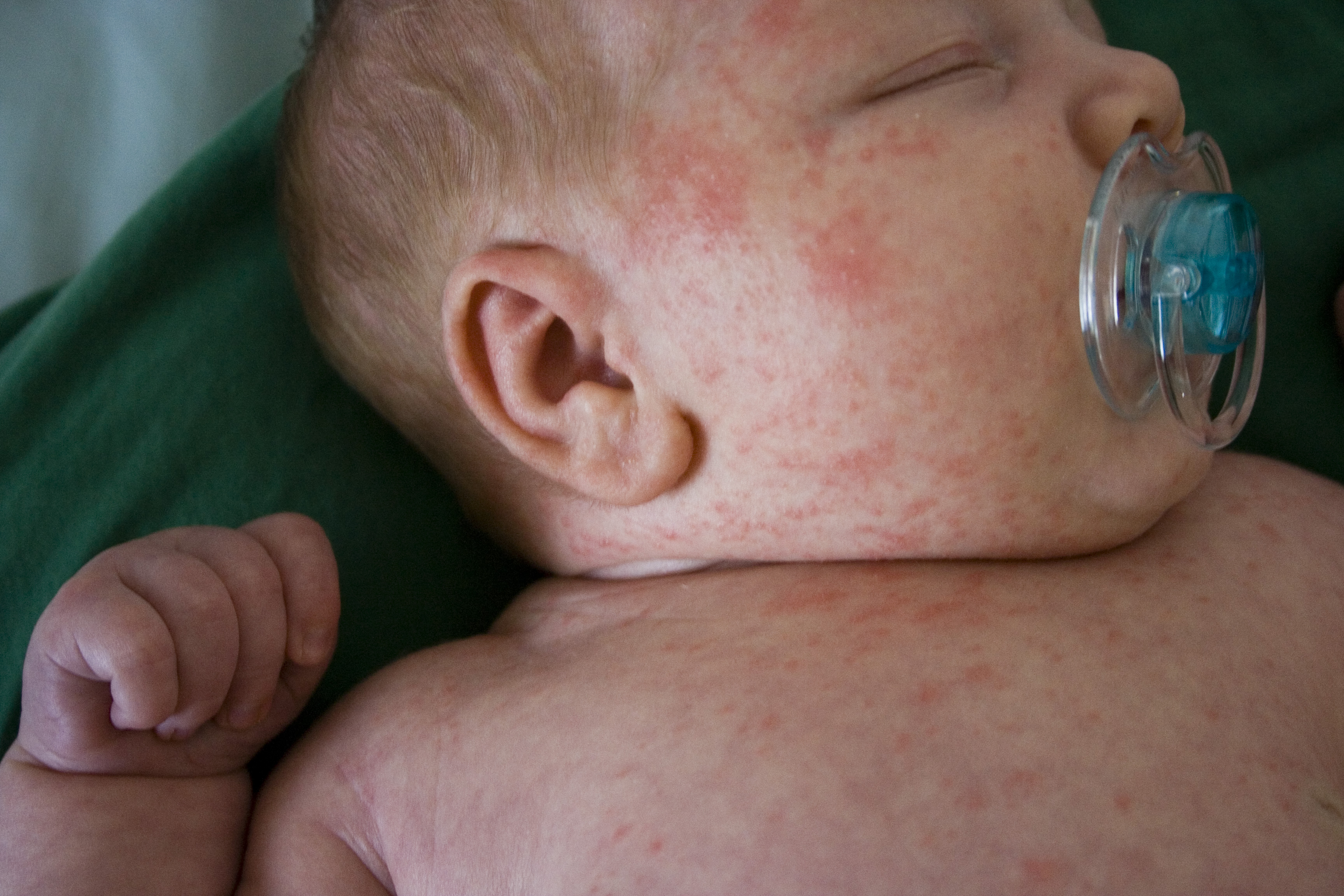
that can cause a heat rash. When the body gets in contact with an excessive
amount of heat, the body then reacts to it by cooling itself, once the body
sweats for too long or the sweat ducts are blocked then a heat rash occurs. The
body of a human must be maintained at a certain temperature and therefor the
body will use the water it has to decrease the heat. Heat rashes are most common when it is hot.
Facultative adaptations include vasodilation, which is the widening of the
blood vessels. When an environment is too hot, vasodilation allows for the
blood vessels to to move where heat can be released so that the body can cool
off. This facultative adaptation allows for a person to maintain itself at a
cooler temperature. Bipedalism is a form of a developmental adaptation. Being
able to move on two legs allows for the body to be at a higher surface, which
helps dissipate heat. A cultural adaptation would be the modern use of an air
conditioner, which many people in modern countries use to cool off. Air
conditioners allows for a person to alter the temperature in a room and make it
so that it is not too hot. This cultural adaptation has been very useful for
areas that reach high temperatures.
A benefit
to studying human variations from this perspective allows for us to be better
prepared. Information from explorations will allow us to survive through tough
summers where temperatures rise. By studying these variations we know how to
protect our bodies in the heat, by turning on the air conditioner, to wearing
lighter colors, and staying hydrated. I
don’t think race could be used to understand the variation because everyone can
be affected by heat, and reacts to heat the same way. Environmental influences affect everyone and
it is important to understand how to prevent environmental stresses.
