Homologous
a.
The two different species that I further
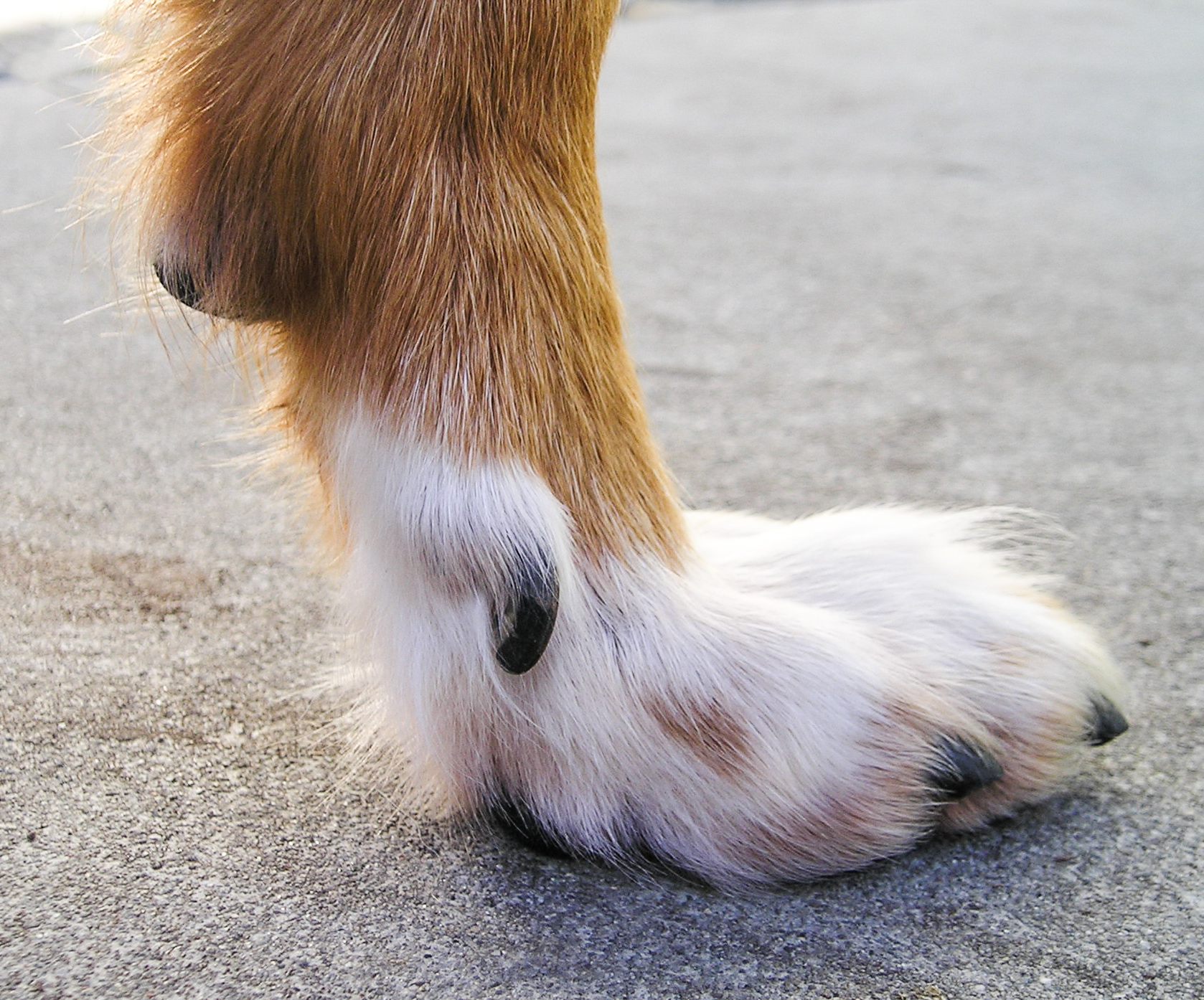
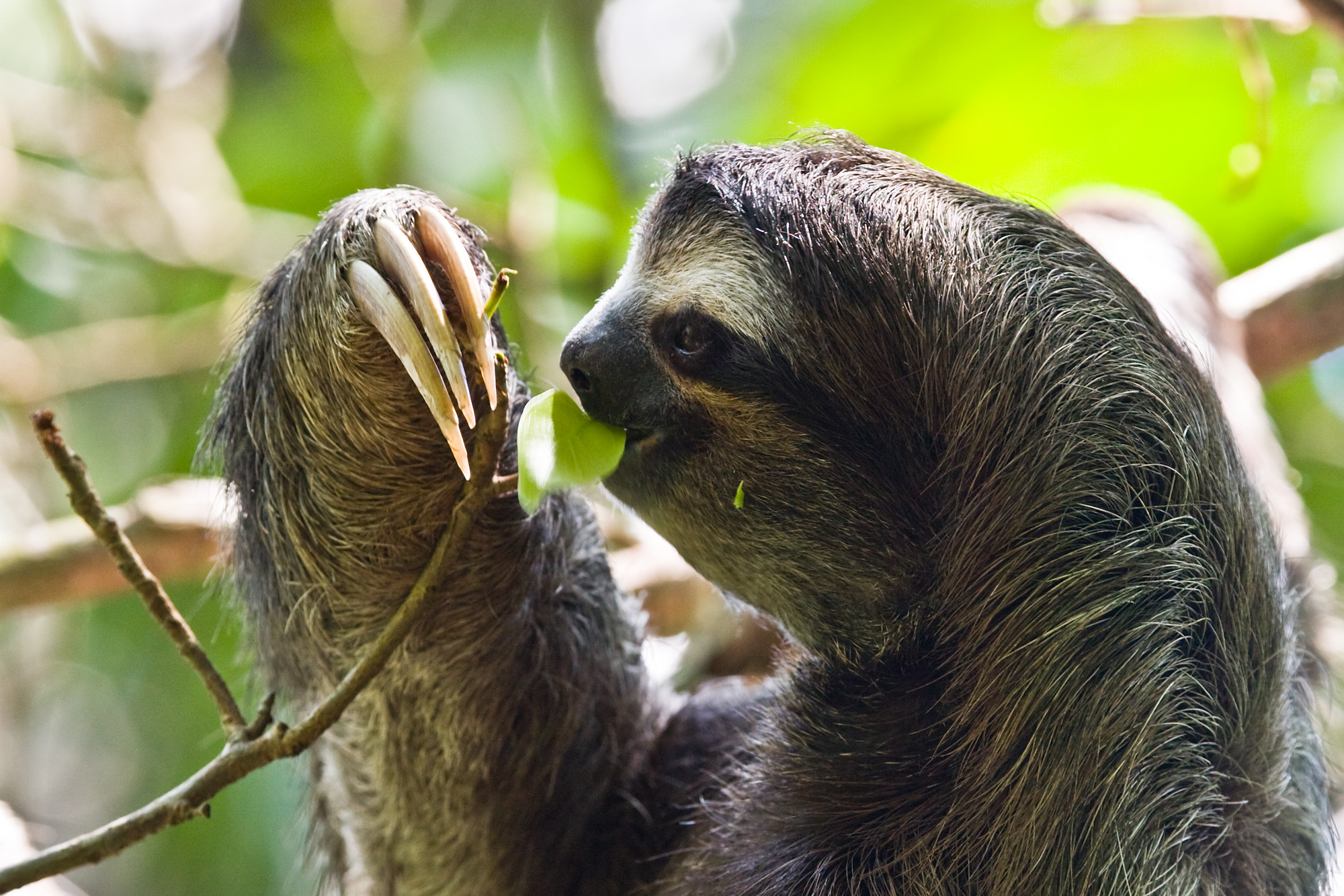
researched were the sloth and a dog, they share the homologous trait of both
having claws.
b.
The sloth has a much longer and sharper
claw. Its claws are used a s a defensive
mechanism against predators. Usually a sloth with swing with its claws to scare
off other animals. Sloths claws also allow for them to grab on to trees and
just hang on them. Dogs on the other
hand have much smaller claws than that of a sloth. Dogs have small claws
located on their four feet. Dogs typically use there claws to grip on to items.
Also a dogs claws helps with the dogs speed and its direction.
c.
According to the article by Scientific American,
the common ancestor called Maelestes gobiensis lived more than 70 million years
ago in the desert area of Gobi. It common ancestor was very small and shrew
like according to its fossils that were found in 1997.


http://www.scientificamerican.com/podcast/episode/4b1665ec-e7f2-99df-332752a3d3e23b03/
http://www.worldanimalfoundation.net/f/Sloth.pdf
Analogous
a.
Two different species that posses the analogous
trait is the kangaroo a mammals and a crocodile a reptile. I wanted to research this because I noticed
that both species have a long and what appears to be strong tail.
b.
Both species have longer tails than other
animals and seem to be very large compared to their size. Both species have their tails located behind
them and use them to their advantage. A kangaroo often uses its tail as third
leg, for balance, and for assistance in leaping. A crocodile will use its tail as a weapon to
defend itself from predators. Just like
the kangaroo a crocodile will use its tail for assistance in moving. A crocodiles
tail allows the reptile to propel through water. I also found it interesting that crocodiles
use its tail to store fat that can be used for nourishment during the winter
season.
c.
I could not find a common ancestor to see if
they posses this analogous trait, but I did find a few animals that share
traits from both a kangaroo and crocodile.
http://www.enchantedlearning.com/subjects/Alligator.shtml
http://www.pbs.org/wnet/nature/episodes/kangaroo-mob/marsupials-the-evolution-backstory/7464/


The second part of your homology section was quite good, highlighting the differences in structure and function for these traits.
ReplyDeleteThe opening section asks for a brief description of these species, not just identification. It would have been helpful to included descriptions of issues (locomotion/environment/predation) that would be related to the differences in these traits.
Good job identifying the organism that may well have been the common ancestor, but the key here is that since both of these modern species are mammals, the common ancestor would have been a mammal as well. Did early mammals have claws? This is the key to this section, to understand if the common ancestor possessed the ancestral trait and passed it on to both the sloth and the dog.
Re: analogs
"I did find a few animals that share traits from both a kangaroo and crocodile."
And then you ended your post! Expanding on this would have been a good idea.
Tails in these two organisms is difficult as analogs for multiple reasons. In terms of descent, all reptiles possess tails and early reptiles passed that trait onto mammals, and nearly all animals do have tails, so this trait looks like it is probably homologous, not analogous.
Tails can be used for different reasons, however, and if these two species use their tails for the same specific function, than they could possibly be consider analogous traits. From your description, that doesn't seem to be the case. Kangeroos use their tails for balance and, as you say, almost as a third leg. Is this the case with crocodiles? It seems that they use theirs not for support but for defense. So should these traits, with a common ancestry and different functions be considered to be homologs or analogs?
Professor,
DeleteWould it have been better if I expanded more on the strength of the tail of both animals and how it is used to defend itself? I guess I had trouble fully distinguishing the analogous trait of the animal. I was planning on going into further detail about how a few animals share traits from both a kangaroo and crocodile but thought it was going off into a different subject and off track of the focus of the kangaroo and crocodile. Thanks for your response!
More details on tail strength wouldn't have changed the fact that these aren't analog because it doesn't change the fact that they are genetically related from a common ancestor. That issue of ancestry is the key. To be analogous, traits have to be similar in function AND not be genetically related, just like the example in the guidelines of the eagle and the bat wing. Same function/no genetic relationship in the trait origin.
DeleteYour choice of animals for the homologous animals was very interesting. I would never have created a close connection between the claws of a sloth and a dog. Yet after looking up a picture of the common ancestor you states, I can imagine the link.
ReplyDeleteYet for the analogous trait, can it be possible fro a reptile and a mammal to share an ancestor? Yes kangaroos and crocodiles share the trait of a tail, but they are also very different. For example, one is warm blooded and the other cold, and one is a herbivore and the other a carnivore.
The two animals clearly performs different activities. It is interesting to learn what sloths uses it's limbs for. Previously, I imagined it's main purpose is to hang from trees and sleep since that seems to be its main activity. However what I am curious about is that primate also hang from trees, and why is it so that they don't have long claws like that of a sloth's. Perhaps I will research this on my own. I also find it interesting from what you have pointed about about the crocodile's tail. I watch a show called Gator Boys, from that show, I have learned that the crocodile is very powerful. One whip from the tail can really knock the wind out of you. I find it fascinating that it also stores fat in its tail. This explains why it's so powerful. I really enjoyed reading your post.
ReplyDelete